
Delve into dermatology diseases with new approaches from conventional to complementary care.
Explore a broad spectrum of dermatological conditions and topics to enhance your practice.
Expert led instruction for every level of patient care.
Log in to see enrolled program content.
Gain practical insights and meet new colleagues.
Hover over a conference to view recordings.
The largest integrative dermatology community.


Dr. Song is the director of clinical research at Frontier Dermatology Partners. He is also a clinical instructor at the University of Washington and Silver Falls Dermatology. He specializes in inflammatory skin diseases, including psoriasis, atopic dermatitis, and hidradenitis suppurativa. Dr. Song is a regular contributor to the dermatology literature and speaks across the country as a key opinion leader.

Live, panel-led, case-based discussion about the diagnosis, treatment, and management of psoriatic patients presenting with less common clinical variants, such as guttate, inverse, or erythrodermic psoriasis.

The successful treatment of psoriasis requires the clinician to have a thorough understanding of the comorbidities associated with psoriatic disease, as some therapies have multiple indications while others may be contraindicated. The clinician also needs to recognize special populations that are excluded from clinical trials but nonetheless are relevant in everyday practice. Lastly, the clinician needs to consider patient preferences in their treatment in order to increase patient adherence and compliance.

Multiple randomized, placebo-controlled and real-world studies have shown biologics to have high levels of efficacy, tolerability and safety for atopic dermatitis since approval. Yet, there are still patients who either don’t respond or lose response over time. Herein, we provide a framework on how to approach these patients including how to optimize add-on therapy to dupilumab and when to consider switching to an alternative therapy.


Review case management skills in this case-based microlearning course featuring a patient with atopic dermatitis and sleep disturbances.

Review case management skills in this case-based microlearning course featuring a patient with atopic dermatitis.

Challenging clinical cases of psoriasis and seborrheic dermatitis will be discussed along with a discussion of how to approach topical therapy and when to consider systemic treatments.

Review case management skills in this case-based microlearning course featuring a patient with scalp psoriasis.

Review case management skills in this case-based microlearning course featuring a patient with psoriasiform dermatitis and Crohn's disease.

The annual Integrative Dermatology Symposium is designed to appeal to practitioners across disciplines. It will address emerging trends, and practical approaches to dermatology as practitioners assess and manage skin conditions and care. It is estimated that nearly one-third of the population is afflicted with a skin disorder. There is a great need for best practice sharing and cross-collaboration to support practitioners in the field and improve patient outcomes.

The annual Integrative Dermatology Symposium is designed to appeal to practitioners across disciplines. It will address emerging trends, and practical approaches to dermatology as practitioners assess and manage skin conditions and care. It is estimated that nearly one-third of the population is afflicted with a skin disorder. There is a great need for best practice sharing and cross-collaboration to support practitioners in the field and improve patient outcomes.

Challenging clinical cases of psoriasis and psoriatic arthritis will be discussed along with a discussion of how to approach topical therapy and when to consider systemic treatments.

This webinar will review complex cases of vitiligo and discuss the clinical approach to diagnosis, selection of therapy, and comprehensive long-term management of the disease and overall patient care.

This course addresses unique considerations in diagnosing, treating, and managing vitiligo in pediatric populations. Clinicians will explore key differences in disease presentation, treatment safety profiles for children, and evidence-based guidelines for managing vitiligo across various pediatric age groups.

Explore procedural treatments for vitiligo, including phototherapy, laser, and transplantation techniques.

Review case management skills in this case-based microlearning course featuring a teenage patient with vitiligo

This course focuses on the role of non-steroidal topical therapies in the treatment of vitiligo, with an emphasis on JAK inhibitors as a novel and targeted option for nonsegmental vitiligo. Learners will explore the immunologic mechanisms of action behind JAK inhibitors, assess efficacy and safety outcomes from pivotal clinical trials, and examine how these therapies compare to traditional steroid-based treatments. The course will also cover practical strategies for integrating JAK inhibitors into individualized treatment plans, including long-term disease control and patient monitoring considerations.

Learn how to assess vitiligo disease activity and choose the best initial treatment through this case-based question.

Explore proven treatments for vitiligo to enhance patient care.

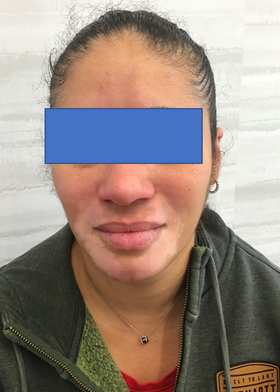
Gain clinical insights into managing facial vitiligo in a 32-year-old female through diagnosis, treatment strategies, and personalized care approaches.

Learn effective strategies for treating non-segmental vitiligo on sensitive facial areas.

Learn evidence-based strategies to optimize treatment for progressive vitiligo and improve patient outcomes through timely, targeted interventions.

Explore the disease mechanisms, immune pathways, and clinical features of vitiligo to strengthen diagnosis and treatment decisions.

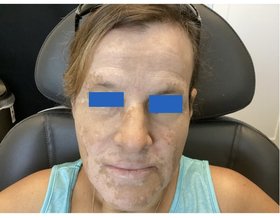
Learn how to assess vitiligo disease activity in a 54-year-old patient using clinical indicators and practical evaluation tools.