
Course
Atopic DermatitisNon-CME
From Gut to Skin: How Early-Life Microbiome Development Shapes the Atopic March
Explore how early-life microbiome development influences the atopic march, skin health, and immune system function.

Explore how early-life microbiome development influences the atopic march, skin health, and immune system function.
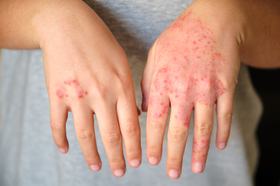
Explore advances in atopic dermatitis pathophysiology, evidence-based treatments, and real-world patient outcomes.
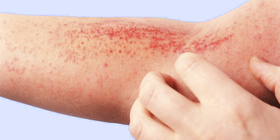
Exploring personalized, long-term care strategies for atopic dermatitis based on pathways, triggers, and treatment options.

Join experts Drs. Eric Simpson and April Armstrong at an ADVENT educational webinar where they will discuss the role of type 2 inflammation in atopic hand and foot dermatitis.

This DCIE roundtable session will focus on case presentations featuring patients that have atopic dermatitis and review the new AAD guidelines for the management of atopic dermatitis.

Discover atopic dermatitis immunology, JAK pathway, and emerging therapies in this lecture. Explore clinical evidence, tapering regimens, and safety. Stay informed on advancements in treatment.

Discover the significance of therapeutic alignment in patient care and how it impacts treatment outcomes. Learn how disagreements between healthcare practitioners can create complications and explore real-life eczema patient cases that highlight these concepts.

This session will discuss two difficult cases of atopic dermatitis that address many aspects, from the role of infection, patient education, and the controversial entity of topical steroid withdrawal.


This session will include expert dermatologists who will consolidate the information from the previous modules to evaluate and discuss multiple cases of atopic dermatitis and their approaches to diagnosis and therapy.