2026 Integrative Dermatology Symposium
Therapeutic Innovations & Global Perspectives
Course Overview
Preview what you'll learn in this program
What You'll Learn
This lecture series explores emerging clinical, biologic, environmental, and practice-based factors shaping modern dermatologic care. Topics include polypharmacy and deprescribing, nutrigenomics and personalized nutrition, environmental and toxic exposures, recent systemic drug approvals, mitochondrial health and cellular longevity, and evidence-informed herbal dermatology. Learners will also examine dermatologic diagnosis in skin of color, culturally responsive care, and strategies to strengthen clinical documentation, informed consent, and medicolegal risk management.
Across the series, participants will gain practical, evidence-based approaches to evaluating complex patients, applying emerging therapeutic insights, recognizing environmental and biologic contributors to skin disease, improving diagnostic accuracy, and supporting safer, more individualized dermatologic care.
Polypharmacy: The Impact of Too Many Medications and How to Deprescribe - (Daniel Butler, MD)
This presentation will explore the growing challenge of polypharmacy in dermatology, particularly among older adults and patients with complex inflammatory skin disease, highlighting the risks of adverse drug events, drug–drug interactions, and treatment burden. Attendees will learn practical frameworks for evaluating medication appropriateness, identifying high-risk prescribing patterns, and incorporating deprescribing principles into dermatologic care while balancing disease control, quality of life, and patient goals. The session will also review evidence-based strategies for safer prescribing, interdisciplinary collaboration, and shared decision-making to optimize outcomes in medically complex dermatology patients.
Learning Objectives:
After completing this session, participants will be able to:
- Identify the prevalence and clinical consequences of polypharmacy in dermatology, including adverse drug events, drug–drug interactions, and treatment burden in older adults and medically complex patients.
- Apply evidence-based deprescribing frameworks to evaluate medication appropriateness and optimize therapeutic regimens for patients with dermatologic disease.
- Apply shared decision-making and interdisciplinary collaboration into dermatologic prescribing practices to improve patient safety, adherence, and quality of life.
Nutrigenomics & Personalized Nutrition - (Raja Sivamani, MD MS AP)
This session will review the principles of nutrigenomics and their relevance to dermatology. The lecture will examine how genetic variation influences nutrient metabolism, inflammatory pathways, and skin health. Evidence supporting personalized nutrition strategies in dermatologic conditions will be analyzed, with discussion of practical considerations for clinical implementation.
Learning Objectives:
After completing this session, participants will be able to:
- Define key concepts in nutrigenomics and personalized nutrition.
- Describe how genetic variation influences nutrient metabolism and skin disease pathways.
- Evaluate current evidence supporting personalized nutrition approaches in dermatology.
- Apply principles of nutrigenomics to support individualized patient care strategies.
Environmental Toxins in Dermatology - (Stacy McClure, MD)
This session will examine the role of environmental exposures in dermatologic disease, including endocrine-disrupting chemicals, heavy metals, air pollution, and other modern toxicants. The lecture will review mechanisms by which environmental factors influence skin inflammation, barrier function, immune dysregulation, and pigmentary change. Attendees will gain a framework for recognizing exposure-related patterns in clinical practice and incorporating evidence-based assessment and counseling strategies.
Learning Objectives:
After completing this session, participants will be able to:
- Identify common environmental toxic exposures associated with dermatologic conditions.
- Explain mechanisms by which environmental toxicants contribute to inflammation, barrier dysfunction, and immune activation in the skin.
- Evaluate the current evidence linking environmental exposures to specific dermatologic diseases.
- Apply practical strategies for environmental history-taking, risk assessment, and patient counseling in dermatology practice.
What’s New in Dermatology: Recent Systemic Drug Approvals and Emerging Therapeutic Advances - (Hadar Lev-Tov, MD)
This session reviews recent systemic therapeutic developments in dermatology from 2021 through 2026. Faculty will examine newly approved therapies and indication expansions across inflammatory, autoimmune, infectious, and oncologic dermatologic conditions. The session will highlight mechanisms of action, FDA-approved indications, pivotal clinical trial data, and the evolving role of targeted therapies in dermatologic care.
Learning Objectives:
After completing this session, participants will be able to:
- Identify systemic therapies and indication expansions introduced in dermatology from 2021 through 2026.
- Differentiate recently approved therapies based on mechanism of action, FDA-approved indication, and supporting clinical efficacy.
- Identify recent studies demonstrating the efficacy of targeted pharmacotherapies across dermatologic diseases.
Cellular Longevity (mitochondria, NAD+, senescence) - (Raja Sivamani, MD MS AP)
This session will examine the role of mitochondrial function, NAD+ metabolism, and cellular senescence in skin aging and inflammatory skin disease. The lecture will review key biologic pathways involved in cellular energy production, oxidative stress, and age-related decline, and evaluate emerging strategies aimed at supporting skin longevity. Clinical implications for dermatologic practice will be discussed.
Learning Objectives:
After completing this session, participants will be able to:
- Describe the role of mitochondrial function and NAD+ metabolism in skin aging and inflammation.
- Explain mechanisms of cellular senescence and their impact on cutaneous biology.
- Evaluate current evidence on interventions targeting cellular longevity pathways.
- Apply mechanistic understanding of aging biology to dermatologic assessment and management.
Herbal Dermatology: Plant Highlights and Lessons from Asia, Africa, & Latin America - (Amy Branum, AHP RH (AHG))
This session will highlight key plants used in herbal dermatology, drawing from traditional practices in Asia, Africa, and Latin America. Participants will explore the cultural context, pharmacologic properties, clinical applications, and safety considerations of selected botanicals used to support skin health. The discussion will connect traditional knowledge with current research, offering an evidence-informed perspective on how plant-based therapies may complement modern dermatologic care.
Learning Objectives:
After completing this session, participants will be able to:
- Identify commonly used herbal therapies in dermatology across Asia, Africa, and Latin America.
- Explain the pharmacologic properties and mechanisms of action of select plant-based dermatologic treatments.
- Assess the safety, efficacy, and cultural considerations of herbal interventions for skin disorders.
- Apply evidence-informed herbal strategies into comprehensive dermatologic care plans.
Clinical Documentation and Legal Risk Mitigation in Dermatologic Practice - (Whitney High, MD)
This session will review best practices in clinical documentation and strategies to reduce legal risk in dermatologic practice. The lecture will examine common documentation gaps, consent pitfalls, coding vulnerabilities, and areas of medicolegal exposure in medical and aesthetic dermatology. Attendees will learn how accurate, thorough documentation supports patient safety, improves communication, and protects against liability.
Learning Objectives:
After completing this session, participants will be able to:
- Identify common documentation deficiencies that increase medicolegal risk in dermatology practice.
- Describe essential elements of informed consent and risk disclosure in medical and procedural dermatology.
- Evaluate documentation strategies that support defensible clinical decision-making.
- Apply practical approaches to improve charting accuracy, compliance, and risk mitigation in daily practice
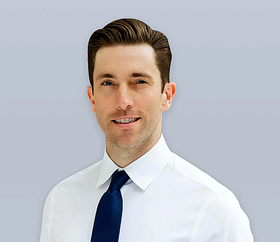
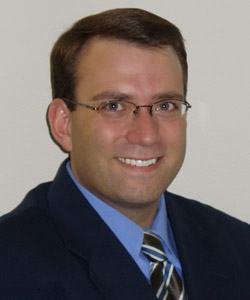
Faculty


Accreditation Information
This set of five lectures introduces foundational concepts in integrative dermatology, including naturopathic medicine, functional and gut testing, Traditional Chinese Medicine (TCM), Ayurveda, and the development of an integrative referral network. Participants will gain an understanding of the core principles, evidence, and clinical applications of these complementary approaches while exploring how they can be integrated with conventional dermatologic care. Together, these lectures provide practical strategies to support skin health, strengthen interdisciplinary collaboration, and advance comprehensive, patient-centered care.
TARGET AUDIENCE
This activity is intended for dermatology clinicians, including physicians, physician associates/assistants, nurse practitioners, nurses, residents, fellows, and other healthcare professionals interested in incorporating evidence-informed integrative approaches into dermatologic practice.
GOAL & PURPOSE
The annual Integrative Dermatology Symposium is designed to appeal to practitioners across disciplines. It addresses emerging trends, evidence-based therapies, and practical approaches to the prevention, diagnosis, and management of skin disease through an integrative lens. Because nearly one-third of the population is affected by a skin disorder, there is an ongoing need for best-practice sharing and cross-disciplinary collaboration to improve patient care and outcomes. This educational activity introduces foundational concepts in naturopathic medicine, functional and gut testing, Traditional Chinese Medicine, Ayurveda, and integrative care networks, equipping clinicians with practical knowledge to thoughtfully incorporate complementary approaches into dermatologic practice while maintaining patient safety and evidence-based care.
ACCREDITATION STATEMENT
This virtual activity of 2026 Integrative Dermatology Symposium is approved for 5.0 credits of continuing medical education (CME) by Medical Education Resources, Inc.
In support of improving patient care, this activity has been planned and implemented by Medical Education Resources (MER) and LearnHealth. MER is jointly accredited by the Accreditation Council for Continuing Medical Education (ACCME), the Accreditation Council for Pharmacy Education (ACPE), and the American Nurses Credentialing Center (ANCC), to provide continuing education for the healthcare team.
PHYSICIAN CREDIT
Medical Education Resources designates this activity for a maximum of 5.0 AMA PRA Category 1 Credits™. Physicians should claim the credit commensurate with the extent of their participation in the activity.
PHYSICIAN ASSOCIATE CREDIT
Medical Education Resources has been authorized by the American Academy of Physician Associate (AAPA) to award AAPA Category 1 CME credit for activities planned in accordance with AAPA CME Criteria. This activity is designated for 5.0 AAPA Category 1 CME Credits. Physician Associate should only claim credit commensurate with the extent of their participation.
NURSING CREDIT
Medical Education Resources designates this activity for a maximum of 5.0 ANCC nursing contact hours. Nurses will be awarded contact hours upon successful completion of the activity. Medical Education Resources is a provider of continuing nursing education by the California Board of Registered Nursing, Provider #CEP 12299, for 5.0 contact hours.
FOR NATUROPATHIC DOCTORS
This virtual activity of 2026 Integrative Dermatology Symposium is approved for 3.5 General credit(s) and 1.5 Pharmacology credit(s) of continuing education credits by the American Association of Naturopathic Physicians. CE approval by the AANP covers all states that regulate naturopathic physicians, except Oregon. Please note that as of January 2025, the Oregon Board of Naturopathic Medicine (OBNM) will no longer approve a CE Activity submitted to them by the CE Activity Host. Only the individual Oregon licensee can apply directly to OBNM for CE approval.
FOR ACUPUNCTURISTS AND ORIENTAL MEDICINE PRACTITIONERS
This virtual activity of 2026 Integrative Dermatology Symposium is approved by the National Certification Commission for Acupuncture and Oriental Medicine for 5.0 PDA Points. NCCAOM® PDA Points Provider #9093.
Course Participant Attestation
I understand that the information in this course presented by the Provider and/orInstructor(s) is for educational purposes only and should only be applied with appropriate clinical judgment and used by a trained and licensed practitioner. Governmental laws and regulations vary from region to region and the contents of this course vary in permissible usage. The participant is required to check their local, state, and federal laws and regulations regarding the practice requirements and scope of practice issues and the use of the information of this course including, but not limited to, theory, herbal medicine, and acupuncture. I acknowledge that NCCAOM does not endorse any specific treatment regimens of any kind. Furthermore, if I use any modalities or treatments taught in this course, I agree to waive, release, indemnify, discharge, and covenant not to sue NCCAOM from and against any liability, claims, demands, or causes of action whatsoever, arising out of any injury, loss, or damage that a person may sustain related to the use of the information in this course. I understand that this Release is governed by the laws of District of Columbia, U.S.A. and shall survive the termination or expiration of this course.
DISCLOSURE OF RELEVANT FINANCIAL RELATIONSHIPS
Medical Education Resources ensures balance, independence, objectivity, and scientific rigor in all our educational activities. In accordance with this policy, MER identifies relevant financial relationships with its instructors, content managers, and other individuals who are in a position to control the content of an activity. Reported relevant financial relationships are mitigated by MER to ensure that all scientific research referred to, reported, or used in a CE activity conforms to the generally accepted standards of experimental design, data collection, and analysis. MER is committed to providing learners with high-quality CE activities that promote improvements or quality in health care and not the business interest of an ineligible company.
The faculty reported the following financial relationships with commercial interests whose products or services may be mentioned in this activity:
| Name of Faculty | Reported Financial Relationship |
|---|---|
Amy Branum, AHP RH (AGH) | No financial relationships to disclose. |
Daniel Butler, MD | Grants/Research Support Speakers' Bureau |
Hadar Lev-Tov, MD | Consulting Fees (e.g. Advisory Board) Grants/Research Support Ownership Interest / Stock Holder |
Raja Sivamani, MD MS AP | Consulting Fees (e.g. Advisory Board) Honorarium Speakers' Bureau |
Whitney High MD, JD, MEng | No financial relationships to disclose. |
Stacy McClure, MD | No financial relationships to disclose. |
The content managers reported the following financial relationships with commercial interests whose products or services may be mentioned in this activity:
| Name of Content Manager | Reported Financial Relationship |
|---|---|
Venita Sivamani | LearnHealth Inc. Stockholder |
Mer Content Manager | No financial relationships to disclose. |
DISCLAIMER
The content and views presented in this educational activity are those of the speakers and do not necessarily reflect those of MER and LearnHealth Inc. The speakers have disclosed if there is any discussion of published and/or investigational uses of agents that are not indicated by the FDA in their presentations. Before prescribing any medicine, primary references and full prescribing information should be consulted. Any procedures, medications, or other courses of diagnosis or treatment discussed or suggested in this activity should not be used by clinicians without evaluation of their patient’s conditions and possible contraindications on dangers in use, review of any applicable manufacturer’s product information, and comparison with recommendations of other authorities. The information presented in this activity is not meant to serve as a guideline for patient management.
CONTACT INFORMATION
This activity is jointly provided by MER and LearnHealth. For questions about the CME credit for this activity, contact [email protected] For all other questions, please contact [email protected].
Pre-Quiz
Test your knowledge before starting the course
- Questions
- 0
- Average Score
- 63%
Polypharmacy: The Impact of Too Many Medications and How to Deprescribe
Complete the previous section to unlock this lesson
Nutrigenomics & Personalized Nutrition
Complete the previous section to unlock this lesson
Environmental Toxins in Dermatology
Complete the previous section to unlock this lesson
What's New in Dermatology: Recent Systemic Drug Approvals and Emerging Therapeutic Advances
Complete the previous section to unlock this lesson
Cellular Longevity (mitochondria, NAD+, senescence)
Complete the previous section to unlock this lesson
Herbal Dermatology: Plant Highlights and Lessons from Asia, Africa, & Latin America
Complete the previous section to unlock this lesson
Clinical Documentation and Legal Risk Mitigation in Dermatologic Practice
Complete the previous section to unlock this lesson
Post-Quiz
Asess your learning and review your progress
- Questions
- 0
- Passing Score
- 70%
- Average Score
- 97%
Course Evaluation
Complete the post-quiz to unlock the course evaluation
CME Certificate
5 CME Credits
Complete Requirements to Unlock
Finish the post-quiz and course evaluation to receive your certificate
- Complete all lessons
- Pass post-quiz (70% or higher)
- Submit course evaluation
Course Discussion
Join the conversation with fellow learners