Learn
Delve into dermatology diseases with new approaches from conventional to complementary care.
Topics
Explore a broad spectrum of dermatological conditions and topics to enhance your practice.
Training Programs
Expert led instruction for every level of patient care.
Log in to see enrolled program content.
Conferences
Gain practical insights and meet new colleagues.
Hover over a conference to view recordings.
Join Us
The largest integrative dermatology community.

Results 681-700 of 3219
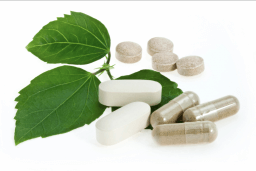 Castor BeanNatMedCastor oil is made from the beans (seeds) of the castor plant (Ricinus communis). Its taste is initially bland, then becomes bitter and unpleasant. Castor oil has laxative and anti-inflammatory effects. It also might induce labor. It's sometimes flavored with cinnamon, peppermint, or other flavorings to mask its unpleasant taste. People use castor oil for constipation, dry eye, childbirth, and to empty the colon before a colonoscopy. It is also used for osteoarthritis, rheumatoid arthritis, and many other conditions, but there is no good scientific evidence to support most of these uses. The outer coat (hull) of the castor seed contains a deadly poison called ricin. The hull must be removed before use. Ricin has been tested as a chemical warfare agent. Weapons-grade ricin is purified and produced in particles that are so small they can be breathed in.
- BromelainNatMedBromelain is a type of enzyme called a proteolytic enzyme. It is found in pineapple juice and in the pineapple stem. Bromelain causes the body to make substances that fight pain and swelling. Bromelain also contains chemicals that seem to interfere with tumor cells and slow blood clotting. People use bromelain for muscle soreness, pain, burns, kidney stones, and many other conditions, but there is no good scientific evidence to support these uses. Don't confuse bromelain with other proteolytic enzymes (proteases), such as chymotrypsin, ficin, papain, serrapeptase, or trypsin. These are not the same.
- BoronNatMedBoron is an element. Boron has been consumed for menstrual cramps and boric acid has been used vaginally for yeast infections, but evidence is limited. Boron seems to affect the way the body handles other minerals such as calcium, magnesium, and phosphorus. It also seems to increase estrogen levels post-menopause. Boric acid, a common form of boron, can kill yeast that cause vaginal infections. Boron may have antioxidant effects. People commonly use boron for boron deficiency and vaginal yeast infections. It is also used for athletic performance, menstrual cramps, osteoarthritis, osteoporosis, and many other conditions, but there is no good scientific evidence to support many of these uses.
- BloodrootNatMedBloodroot is a plant. People use the underground stem (rhizome) to make medicine. People sometimes use bloodroot by mouth or apply it to the skin for a long list of conditions, but there is no scientific evidence to support these uses, and using it can be unsafe.
- Black HawNatMedBlack haw (Viburnum prunifolium) is a shrub native to the woodlands of southern North America. Its root bark has been traditionally used as medicine. Black haw contains a chemical that might relax the uterus. People use black haw for menstrual cramps, asthma, diarrhea, labor pain, and many other conditions, but there is no good scientific evidence to support these uses.
- Bifidobacterium animalis subsp. lactisNatMedBifidobacterium animalis subsp. lactis (B. lactis) is a type of probiotic ("good" bacteria) that lives in the intestines. It produces lactic and acetic acid. "Good" bacteria such as B. lactis can help break down food, absorb nutrients, and fight off "bad" organisms that might cause diseases. B. lactis is a subspecies of B. animalis. It's found in the human gut and used in probiotic supplements. People use B. lactis for excessive crying in infants (colic), constipation, irritable bowel syndrome (IBS), and respiratory tract infections. It is also used for dental cavities, hay fever, diarrhea, and many other conditions, but there is no good scientific evidence to support many of these uses. There is also no good evidence to support using B. lactis for COVID-19. Bifidobacterium animalis subsp. lactis is sometimes listed as Bifidobacterium lactis (or B. lactis) on product labels. Don't confuse B. lactis with other probiotics, or with fermented food products such as fermented milk, kefir, or yogurt. These are not the same.
- AvocadoNatMedThe avocado tree (Persea americana) produces a fruit with a creamy texture covered by a thick, green skin. It's a good source of potassium and healthy fats. Avocado contains a lot of fiber, which might be the reason for its cholesterol-lowering effects. It's also rich in monounsaturated fats and is a good source of linoleic acid. People use avocado for high cholesterol. It is also used for memory and thinking skills, aging skin, obesity, psoriasis, heart disease, and many other purposes, but there is no good scientific evidence to support most of these uses. Don't confuse avocado with avocado soy unsaponifiables (ASU). These are not the same.
- Stone RootNatMedStone root (Collinsonia canadensis) is an herb with a strong, unpleasant smell. The root and rhizome (underground stem) are used to make medicine. Stone root has been used for kidney stones, gastrointestinal conditions, and other purposes, but there is no good scientific evidence to support any use.
- Wild CherryNatMedWild cherry is a tree. The bark and fruit are used to make medicine. Some people take wild cherry by mouth for colds, whooping cough, bronchitis (lung inflammation), and other lung problems. It is also used for diarrhea, gout, digestive disorders, pain, and cancer. It is also used in cough syrups because of its sedative (sleepiness), expectorant (clearing mucus), drying, and cough-suppressing effects. In foods and beverages, wild cherry is used as a flavoring agent. Some people eat the seeds as snacks. The fruit of wild cherry is eaten fresh, in jams, or used in liquors or syrups.
- Wild CarrotNatMedWild carrot is a plant. The parts that grow above the ground and an oil made from the seeds are used to make medicine. Be careful not to confuse wild carrot (which has a white tap root that shouldn't be eaten) with the common carrot (which has the familiar orange tap root that is commonly eaten). Wild carrot or its seed oil is used for urinary tract problems, digestive problems, to induce menstruation, and for other conditions, but there is no good scientific evidence to support its use for any condition. In foods, wild carrot oil is used to flavor alcoholic and non-alcoholic beverages, frozen dairy desserts, candy, baked goods, gelatins, puddings, meat and meat products, condiments, relishes, and soups. In manufacturing, wild carrot seed oil is used as a fragrance in soaps, detergents, creams, lotions, and perfumes.
- White HorehoundNatMedWhite horehound is a plant. The parts that grow above the ground are used to make medicine. White horehound is used for digestion problems including diabetes, loss of appetite, indigestion, bloating, gas, diarrhea, constipation, and liver and gallbladder complaints. It is also used for lung and breathing problems including cough, whooping cough, asthma, tuberculosis, bronchitis, and swollen breathing passages. Women use white horehound for painful menstrual periods. People also use it for yellowed skin (jaundice), to kill parasitic worms, to cause sweating, and to increase urine production. White horehound is sometimes applied to the skin for skin damage, ulcers, and wounds. In manufacturing, the extracts of white horehound are used as flavoring in foods and beverages, and as expectorants in cough syrups and lozenges. Expectorants are ingredients that make it easier to cough up phlegm.
- RueNatMedRue (Ruta graveolens) is a perennial, evergreen shrub native to southern Europe. The parts that grow above the ground and the oil are used as medicine. Rue contains chemicals that might have antibacterial and anti-inflammatory effects. People sometimes use rue for cancer, indigestion, insect repellent, birth control, and many other conditions, but there is no good scientific evidence to support these uses. Don't confuse rue with Goat's rue or Syrian rue. These are not the same.
- MelanotanNatMedMelanotan is a lab-made chemical. It is similar to a hormone found in the body. It was originally made as a drug to help treat certain skin conditions. It is also sold over the internet as a supplement. Melanotan is commonly used for skin tanning. It is also used to produce erections in men with erectile dysfunction (ED), for rosacea, for fibromyalgia, and other conditions, but there is no good scientific evidence to support most of these uses. There is also concern that melanotan might not be safe when used as a shot under the skin. Be careful not to confuse melanotan with melatonin.
- RhodiolaNatMedRhodiola (Rhodiola rosea) is a plant that grows in cold parts of Europe and Asia. The root has a long history of use in traditional medicine. Rhodiola is considered an adaptogen. Adaptogens are a class of natural substances that are believed to stimulate the body's resistance to physical, environmental, and emotional stressors. Rhodiola extract might help protect cells from damage and regulate heartbeat. People sometimes use rhodiola for fatigue, anxiety, depression, stress, and many other conditions, but there is no good scientific evidence to support any of these uses.
- CeleryNatMedCelery (Apium graveolens) is a plant that grows throughout the world. The stem is often eaten raw or as a cooked vegetable. The seed is used as a spice. The chemicals in different parts of the celery plant might have many effects on the body, including lowering blood sugar and blood pressure, and causing sleepiness. People use celery to repel mosquitos, for prediabetes, gout, rheumatoid arthritis, and many other conditions, but there is no good scientific evidence to support these uses.
- LicoriceNatMedLicorice is an herb that grows in parts of Europe and Asia. Licorice root contains glycyrrhizin, which can cause side effects when eaten in large amounts. The chemicals in licorice are thought to decrease swelling, decrease cough, and increase the chemicals in our body that heal ulcers. Many "licorice" products made in the U.S. actually don't contain licorice. They contain anise oil, which has the smell and taste of "black licorice". Licorice is used for eczema, swelling of the liver, mouth sores, and many other conditions, but there is no good scientific evidence to support most of these uses. There is also no good evidence to support using licorice for COVID-19.
- Prickly Pear CactusNatMedPrickly pear cactus (Opuntia ficus-indica) is a plant native to Mexico. Its fruit and stems are commonly eaten and used as medicine in Mexican cultures. Prickly pear cactus might lower blood sugar and cholesterol levels by reducing how much the stomach absorbs. People most commonly use prickly pear cactus for diabetes. It is also used for enlarged prostate, hangover, high cholesterol, and many other purposes, but there is no good scientific evidence to support these uses.
- VerbenaNatMedVerbena is a plant. The parts that grow above ground are used to make medicine. Verbena is used for mild gum disease (gingivitis), swelling (inflammation) of the nasal cavity and sinuses (rhinosinusitis), heart conditions, depression, and other conditions, but there is no good scientific evidence to support these uses. In manufacturing, verbena flowers are used as a flavoring agent in alcoholic beverages.
- TrypsinNatMedTrypsin is an enzyme that aids with digestion. An enzyme is a protein that speeds up a certain biochemical reaction. Trypsin is found in the small intestine. It can also be made from fungus, plants, and bacteria. But it is usually made for commercial purposes from the pancreas of livestock. Trypsin is given to people who lack enzymes needed for digestion. It is also given in combination with bromelain and rutin for treatment of osteoarthritis and many other conditions, but there is no good scientific evidence to support these other uses. Some people apply trypsin directly to wounds and ulcers to remove dead tissue and improve healing.
- GlutamineNatMedGlutamine is the most abundant amino acid found in the body. It's made in the muscles and transferred by the blood into different organ systems. Glutamine is a building block for making proteins in the body. It's also needed to make other amino acids and glucose. Glutamine supplements might help gut function, immune function, and other processes, especially in times of stress when the body uses more glutamine. People take glutamine for sickle cell disease, swelling (inflammation) of the pancreas (pancreatitis), to improve recovery after surgery, for injuries, and for complications of HIV/AIDS. It is also used for diarrhea, cystic fibrosis, obesity, lung cancer, and many other conditions, but there is no good scientific evidence to support most of these other uses. Glutamine (Endari) is approved by the US FDA as a prescription drug for sickle cell disease. Don't confuse glutamine with glutamate or glutamic acid. These are not the same.

All material on this website is protected by copyright. Copyright © LearnHealth Inc. 2026.
This website also contains material copyrighted by 3rd parties.
SUBSCRIBE
To Get Posts Directly In Your Inbox!