Learn
Delve into dermatology diseases with new approaches from conventional to complementary care.
Topics
Explore a broad spectrum of dermatological conditions and topics to enhance your practice.
Training Programs
Expert led instruction for every level of patient care.
Log in to see enrolled program content.
Conferences
Gain practical insights and meet new colleagues.
Hover over a conference to view recordings.
Join Us
The largest integrative dermatology community.

Results 781-800 of 3219
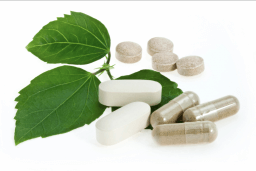 Black RootNatMedBlack root is a plant. It grows in the US and Canada and has a bitter and nauseating taste. People use the underground stem (rhizome) and the root as medicine. Black root is used for ongoing constipation and disorders of the liver and gallbladder. It is also used to cause vomiting.
- Bitter MelonNatMedBitter melon (Momordica charantia) is a vine originally from India and other Asian countries. It has been traditionally used to treat diabetes. Bitter melon contains a chemical that acts like insulin to help reduce blood sugar levels. People commonly use bitter melon for diabetes, osteoarthritis, athletic performance, and many other conditions, but there is no good scientific evidence to support these uses. Bitter melon is sometimes called bitter gourd. Don't confuse this with Ivy gourd, which is a different plant.
- 5-HTPNatMed5-hydroxytryptophan (5-HTP) can be converted to serotonin in the body. It is often used for depression. It has less evidence for insomnia and anxiety. 5-HTP is a chemical byproduct of the protein building block L-tryptophan. It is produced commercially from the seeds of an African plant known as Griffonia simplicifolia. 5-HTP works in the brain and central nervous system by increasing the production of the chemical serotonin. Serotonin can affect sleep, appetite, temperature, sexual behavior, and pain sensation. Since 5-HTP increases serotonin levels, it is used for conditions in which serotonin is believed to play an important role. These include depression, anxiety, and many other conditions, but there is no good scientific evidence to support most of these uses.
- ParsleyNatMedParsley (Petroselinum crispum) is an herb native to the Mediterranean that is grown worldwide. It's widely used in foods and also as medicine. Parsley contains vitamins B1, B2, C, and K. Oils extracted from parsley contain chemicals that might help stimulate the appetite, improve digestion, and have laxative effects. People use parsley for constipation, diabetes, dark skin patches on the face (melasma), kidney stones, and many other conditions, but there is no good scientific evidence to support these uses. Don't confuse parsley with similarly named fool's parsley or parsley piert. These are not the same.
- ChaparralNatMedChaparral is a plant. The chaparral leaf is used to make medicine, but there are serious safety concerns with its use. The U.S. Food and Drug Administration and Health Canada have advised consumers against using products containing chaparral due to these safety concerns. Despite serious safety concerns, people use chaparral for digestion problems, respiratory tract conditions, skin disorders, arthritis, and many other conditions, but there is no good scientific evidence to support these uses.
- Lactobacillus acidophilusNatMedLactobacillus acidophilus (L. acidophilus) is a type of probiotic ("good" bacteria) found in the human gut, mouth, and vagina, and also in certain foods. "Good" bacteria such as L. acidophilus can help break down food, absorb nutrients, and fight off "bad" organisms that might cause diseases. L. acidophilus is sometimes added to fermented foods like yogurt and is also found in probiotic supplements. People commonly use L. acidophilus for diarrhea from antibiotics, as well as irritable bowel syndrome (IBS), overgrowth of bacteria in the vagina, and an infection caused by the bacteria Helicobacter pylori (H. pylori). It is also used for acne, hay fever, eczema, and many other conditions, but there is no good scientific evidence to support many of these other uses. There is also no good evidence to support using L. acidophilus COVID-19. Don't confuse L. acidophilus with other probiotics, or with fermented food products such as fermented milk, kefir, or yogurt. These are not the same. Also note that the Lactobacillus genus was split up into 25 different genera in April 2020. Some other species' names changed, but L. acidophilus remained the same.
- DaffodilNatMedDaffodil (Narcissus pseudonarcissus) is a plant. All parts of the plant are poisonous. Don't confuse the bulbs with onion bulbs, or the stems with Chinese chives. People use daffodil for asthma, joint pain, and wound healing but there is no good scientific evidence to support these uses. Daffodil is also unsafe.
- OleanderNatMedOleander (Nerium oleander) is a flowering shrub. It contains chemicals called toxic cardiac glycosides, which can lead to death when consumed. The cardiac glycosides in oleander affect the heart. These chemicals can slow the heart rate down. Some of these chemicals might also kill cancer cells. People use oleander for heart failure, cancer, epilepsy, and many other conditions, but there is no good scientific evidence to support these uses. There is also no good evidence to support using oleander for COVID-19. Oleander is unsafe to use.
- NutmegNatMedNutmeg and mace are common spices that come from the same tree, Myristica fragrans. Nutmeg comes from the shelled, dried seed. Mace comes from the seed covering. Nutmeg contains chemicals that might affect the central nervous system. Nutmeg might also kill bacteria and fungi. People use nutmeg for cavities in children, diarrhea, and other conditions, but there is no good scientific evidence to support these uses. Nutmeg is sometimes used recreationally in large doses to create a natural "high." Taking large doses may be unsafe and can lead to serious side effects.
- Indian SnakerootNatMedIndian snakeroot (Rauvolfia serpentina) is an evergreen shrub found in Southeast Asia. The root is used as medicine. It's considered an endangered species. Indian snakeroot contains small amounts of chemicals such as reserpine and yohimbine, which are prescription drugs that can cause serious side effects. People use Indian snakeroot for high blood pressure, anxiety, constipation, malaria, insomnia, and many other conditions, but there is no good scientific evidence to support these uses. Don't confuse Indian snakeroot with Rauvolfia vomitoria or Yohimbe. These are not the same.
- SAMeNatMedSAMe is a molecule that is made naturally in the body from homocysteine and folate. It can also be made in a lab and taken in supplements. SAMe is involved in the formation, activation, and breakdown of other chemicals in the body, including hormones, proteins, and certain drugs. The body uses it to make certain chemicals that play a role in pain, depression, liver disease, and other conditions. People most commonly take SAMe for depression and osteoarthritis. It is also used for anxiety, liver disease, fibromyalgia, schizophrenia, and many other conditions, but there is no good scientific evidence to support these uses. SAMe has been available as a dietary supplement in the US since 1999, but it has been used as a prescription drug in Italy, Spain, and Germany for many decades.
- Bovine ColostrumNatMedBovine colostrum is the milk that comes from cows the first few days after giving birth. It contains many nutrients and proteins called antibodies. Antibody levels in bovine colostrum can be 100 times higher than levels in regular cow's milk. Hyperimmune bovine colostrum is made by cows that have been vaccinated for specific diseases. These cows produce antibodies that fight the viruses and bacteria that cause certain diseases. People use bovine colostrum for diarrhea and respiratory infections caused by exercise. It is also used for sepsis, athletic performance, autism, diabetes, child growth, and many other conditions, but there is no good scientific evidence to support these uses.
- Indian GooseberryNatMedIndian gooseberry (Phyllanthus emblica) is a tree native to India and the Middle East. It's been used in Ayurvedic medicine for thousands of years. Indian gooseberry seems to work by reducing total cholesterol levels, including the fatty acids called triglycerides, without affecting levels of high-density lipoprotein (HDL or "good") cholesterol. People commonly use Indian gooseberry for abnormal cholesterol levels and persistent heartburn. It's also used for diarrhea, osteoarthritis, and cancer, but there is no good scientific evidence to support these uses.
- WintergreenNatMedWintergreen (Gaultheria procumbens) is an evergreen shrub native to the US and Canada. Its leaves and oil have been traditionally used for pain. Wintergreen leaf contains an aspirin-like chemical called methyl salicylate. It has effects that might reduce pain, swelling, and fever. People use wintergreen for back pain, joint pain, muscle soreness, and many other conditions, but there is no good scientific evidence to support these uses. Don't confuse wintergreen with periwinkle or pipsissewa, which are sometimes called wintergreen. These are not the same.
- LaurelwoodNatMedLaurelwood is a plant. The nut and other plant parts are used to make medicine. Don't confuse laurelwood (Calophyllum inophyllum) with blue cohosh (Caulophyllum thalictroides). Laurelwood is used for leprosy, hemorrhoids, scabies, gonorrhea, vaginal infections, and chicken pox. It is also used for viral infections, such as HIV. Tamanu oil from the nut of laurelwood is used for skin conditions including sunburn, rashes, burns, psoriasis, dermatitis, scratches, skin blemishes, acne, skin allergies, bedsores, rosacea, and hemorrhoids.
- CalciumNatMedCalcium is an essential nutrient found in many foods, such as dairy products, canned sardines and salmon (with bones), and leafy greens. The bones and teeth contain over 99% of all calcium in the human body. Bones are always breaking down and rebuilding. Calcium is needed for this process, but the concentration of calcium in the body tends to decline with age. Taking extra calcium helps the bones rebuild and stay strong. The heart, nerves, and blood-clotting systems also need calcium. People commonly take calcium by mouth for the treatment and prevention of low calcium levels in the blood, osteoporosis, softening of the bones, and PMS. It is also used for cancer, stroke, and many other conditions, but there is no good scientific evidence to support many of these other uses. In the US and Canada, foods that contain calcium and vitamin D are allowed to say on the label that they might reduce the risk of osteoporosis.
- AndrostenedioneNatMedAndrostenedione is a type of chemical known as an anabolic steroid. It is converted in the body to other sex hormones, including testosterone and estrogen. Androstenedione is naturally made in the body. Most androstenedione comes from the testes, ovaries, and adrenal glands. The body begins to make less androstenedione after the age of 30. People use androstenedione for muscle strength, athletic performance, erectile dysfunction, fatigue, and many other conditions, but there is no good scientific evidence to support these uses. It might also be unsafe. In the US, androstenedione is a schedule III controlled substance that is not legal for use in supplements. But it is still found in some supplement products, especially those marketed for muscle strength and athletic performance. It is also banned by the National Collegiate Athletic Association (NCAA). Don't confuse androstenedione with other compounds, including 1-androsterone, 4-androsterone, androstenediol, androstenetrione, androsterone, 1-epiandrosterone, and epiandrosterone. These are not the same.
- Bee PollenNatMedBee pollen is flower pollen that's collected by worker bees, mixed with nectar and bee saliva, and then packed into honeycomb cells in the hive. Bee pollen might help stimulate the immune system, but it's not clear how bee pollen causes these effects. People take bee pollen for athletic performance, hay fever, eczema, constipation, obesity, and many other conditions, but there is no good scientific evidence to support these uses. There is also no good evidence to support using bee pollen for COVID-19. Bee pollens come from many different plants, so the contents of bee pollen can vary significantly. Don't confuse bee pollen with beeswax, bee venom, honey, propolis, or royal jelly. These other bee products are not the same.
- Colloidal SilverNatMedColloidal silver is a mineral. Colloidal silver products were once available as OTC drug products, but in 1999 the FDA ruled that they aren't safe. Colloidal silver can kill certain germs by destroying proteins, which is why it was previously used in wound dressings. But silver has no known function in the body and is not an essential mineral. Taking silver by mouth can cause the skin to turn a permanent bluish color. It can also cause brain function problems. Colloidal silver has been used for infections, hay fever, skin conditions, and many other conditions, but there is no good scientific evidence to support any of its uses. There is also no good evidence to support using colloidal silver for COVID-19. It can be unsafe when taken by mouth, applied to the skin, or inhaled.
- CalamusNatMedCalamus (Acorus calamus) is a grass-like plant found in swamps and near rivers. It has a long history of use in Ayurvedic and traditional Chinese medicine. There are four different types of calamus. Some contain a cancer-causing chemical called beta-asarone. The North American and European varieties contain little to no beta-asarone, but others contain up to 96%. It also contains chemicals that might reduce pain and help fight infections. People use calamus for asthma, cancer, depression, diabetes, headache, stomach ulcers, and many other conditions, but there is no good scientific evidence to support these uses. Using calamus can also be unsafe. The US FDA banned calamus in 1968 due to some species containing the cancer-causing chemical beta-asarone.

All material on this website is protected by copyright. Copyright © LearnHealth Inc. 2026.
This website also contains material copyrighted by 3rd parties.
SUBSCRIBE
To Get Posts Directly In Your Inbox!