Learn
Delve into dermatology diseases with new approaches from conventional to complementary care.
Topics
Explore a broad spectrum of dermatological conditions and topics to enhance your practice.
Training Programs
Expert led instruction for every level of patient care.
Log in to see enrolled program content.
Conferences
Gain practical insights and meet new colleagues.
Hover over a conference to view recordings.
Join Us
The largest integrative dermatology community.

Results 561-580 of 3219
 Scott JacksonFacultyScott Jackson, M.D. received his undergraduate degree from Tulane University in New Orleans, Louisiana and attended medical school at LSU School of Medicine in New Orleans. Dr. Jackson started his dermatology residency at Louisiana State University in New Orleans, but due to the natural disaster of Hurricane Katrina in 2005, he was relocated to complete his residency in Baton Rouge. He practiced dermatology in Baton Rouge for 13 years until joining Ozark Dermatology in the Spring of 2021. In addition to medical and surgical dermatology, he has a particular interest in taking on the challenges that come with severe, chronic, or resistant diseases of the skin. Dr. Jackson resides in Bentonville with his wife, Svetlana, and their two sons. He enjoys writing, reading, the outdoors, and spending time with family. His other passions include history, travel, and the Russian language.Professional affiliations: American Academy of Dermatology, National Psoriasis Foundation, American Contact Dermatitis Society, International Dermoscopy Society
 Chandra BredelFacultyAt age 16, geek4beauty founder Chandra Bredel began her journey in the beauty industry. It took less than a moment and she knew this was the start of something pivotal! As an apprentice makeup artist working with drag stars and performers in the Manhattan cabaret scene, life was about covering up and enhancing “the look” vs. proper skincare to achieve the ultimate natural beauty. Hours of makeup application became the literal foundation of her knowledge – seeing the result of endless layers of stage makeup without proper skincare was the edge that she needed to propel and further her interest in the world of beauty – specifically the science of skin and ultimately skincare! Within the multi-channeled beauty industry and its’ every changing landscape, Chandra knew that education was her guiding principle and the key to her future success. Esthetics to her was not just an art, it was an art of science and skin. She continued her studies with the wellness movement and was one of the pioneers evangelizing the concept of blending eastern and western methodologies in the treatment room for ultimate results. Over the next 30 years, Bredel studied science and skincare formulation while honing her esthetic skills in the treatment room with some of the most sought after dermatologists and cosmetic surgeons – a dynamic career in the beauty industry was in the making. Today she is an accomplished esthetician, international esthetic educator, published author, product development consultant and connoisseur of all things beauty - from ingredients and formulation to final product- she is known as an the Esty’s best friend and the Geek4Beauty in the social circles.
 Nicole RoccaFacultyDr. Nicole Rocca is a New Jersey native who graduated from Rutgers University. After college, she completed her Masters Degree in Neuroscience from the Weill Cornell Graduate School of Medical Sciences. From there, she attended New Jersey Medical School and was inducted into the Alpha Omega Alpha medical honor society. She then completed her dermatology training at Albert Einstein College of Medicine where she served as Chief Resident.Dr. Rocca is a board-certified dermatologist and a fellow of the American Academy of Dermatology. When she is not working she enjoys spending time with her husband, two children, and pets and spending time outdoors running, hiking, and paddleboarding.
 Anna PleetFacultyAnna is a current full-time medical student currently studying in Milan. Learn about Anna's interest in dermatology and integrative health care.
 Mark CannonFacultyDr. Mark L. Cannon is a Professor of Otolaryngology, Division of Dentistry at Northwestern University, Feinberg School of Medicine, an Attending Physician at Ann and Robert Lurie Children’s Hospital, and a member of the International Association of Pediatric Dentistry. In addition to being the founder of Associated Dental Specialists of Long Grove (1981), he is the Research Coordinator of the Pediatric Dental residency program at Ann and Robert Lurie Children’s Hospital, Chicago, Illinois. Dr. Cannon has 40 years of experience in pediatric dentistry and has presented lectures both nationally and internationally. Dr. Cannon has presented guest lectures at the University of Athens, Greece, Sao Paulista State University, UNESP, Aracatuba, Brazil, University of Texas- Houston, University of Alabama-Birmingham, University of Michigan Ann Arbor, Yonsei University, Beijing Medical University, CES (Medellin, Colombia) and at the University of Illinois, Chicago, Department of Pediatric Dentistry. He has had presentations to the following organizations; I.A.D.R./A.A.D.R., the American Academy of Pediatric Dentistry, the American Society of Dentistry for Children, Academy of Dental Materials, World Congress of Biological Materials, International Association of Pediatric Dentistry, Pediatric Dental Association of Asia, Australasian Academy of Pediatric Dentistry, World Congress of Preventive Dentistry, Mexican Association of Pediatric Dentistry, and the European Association of Pediatric Dentistry. He lectures on many oral health topics including evolutionary oral medicine, the gateway microbiomes, biologic and bioactive dental materials (patents owner), probiotics, and all aspects of everyday Pediatric oral health. Dr. Cannon has humbly accepted two invitations by the Karolinska Institute, first to the Nobel Forum (2016) and secondly to the Nobel Assembly (2017). Most of all, Dr. Cannon is the proud father of five, all of whom are very accomplished. He is also a very proud grandfather!
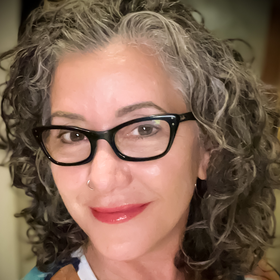 Cathy FavelleFacultyCathy Favelle, LE, E-RYT is the owner of CoreQuest Yoga Studio & Skin Care Spa, Founder of AGLOW Age Defense Skin Care, an Integrative Esthetician with over 36 years in the health, wellness and beauty industry. She is also a practicing functional movement yoga instructor holding certifications in Somatic movment therapy, Yoga Tune-up Fitness Worldwide, SFMR (self-myofascial release therapy) and Reiki.In her esthetics practice she combines both clinical and holistic modalities for a corrective and preventive approach to optimal skin health. Her esthetics practice is continually booked out months in advance serving a niche pro-aging clinetele. She launched her AGLOW skin care line in 2023 specializing in periomenopause/menopause/post-menopause/estrogen depleted skin to better serve her pro-aging clientele's ever-changing skin concerns.In her movement studio Cathy's passion is in providing clients with an empowered approach to body, mind and spirit health focusing on the 4 P's. Pain, Posture, Performance and Peace. She is a successful 6-figure solopreneur business owner, award winning esthetician and champion of empowering others to live their best lives with ease, grace and a splash of spice.
 Emma StaceyFacultyEmma Stacey is a fourth-year naturopathic medical student at Sonoran University. She graduated from Connecticut College with a degree in Public Health and Nutrition. Always having a passion for skin health, her interest in dermatology grew after completing dermatology rotations in both naturopathic and allopathic clinics. She follows the philosophy that skin conditions often reflect the patient’s internal health and she has a strong interest in combining Eastern and Western medicine to provide the best treatment option for the patient. Emma is currently a research assistant analyzing antioxidant levels in different botanicals, as well as president of the Student Government Association, and a tutor in biochemistry, immunology, and microbiology.
 Sarah JensenFacultyDr. Jensen is dual board certified in Dermatology and Dermatopathology. Prior to attending medical school at St Louis University, she completed a bachelor's degree in Visual Arts at Scripps and later attended the college's Post Baccalaureate Premedical Program. Her background in art provides a distinct aesthetic in her approach to patient skincare. Dr. Jensen began her career in academic medicine and later established her private practice, Regional Dermatology, located just south of St Louis. Dr. Jensen's office integrates all aspects of dermatology including: medical, surgical, and cosmetic skin care. Having recognized a shift in patients' desire for alternative options, she discovered Learnskin and is soon to complete its Integrative Dermatology Certification Program. This enriching program and its engaging, integrative community have further expanded her knowledge and broadened her treatment options. Learnskin enabled Dr. Jensen to redefine her practice in medicine and create an office that she would seek out, as a patient, herself.
 Hari M BehlFacultyDr. Hari Behl is a Scientific Consultant with Cross functional Leadership in businesses from R&D on herbal, natural products for personal care, health and wellness, quality control (ISO 9001:2015 and other relevant ISO standards, cGMP) of processes and products, Standard Operating Procedures (SOPs); Sustainable development protocols, IPR, and Innovations for Product Development (including development of prototypes).
 Cat SimmonsFacultyCat is a Registered Dietitian Nutritionist (RDN) and has spent most of her career in the functional laboratory diagnostic space. Her educational background has a dual appointment in exercise physiology and dietetics with a master’s degree in metabolic physiology. She has a decade of experience in advanced laboratory interpretation, education, and counseling in addition to clinical practice. She takes a functional and integrative approach to health with a firm belief that “all disease begins in the gut”. Her research interests and passions include insulin signaling, nutrient metabolism, and weight loss physiology. Cat also is a certified diabetes care and education specialist. In clinical practice, Cat specializes in cardiovascular prevention, sport performance nutrition; gluten sensitivity, celiac and autoimmune nutrition; the gut-brain connection, and of course all things related to the digestion, the microbiome and intestinal health where she has chosen to “niche down”. As a clinician and educator, not only is Cat a member of the Medical Education team at Diagnostic Solutions Lab, but also the Clinical Content Manager playing a pivotal role in education program design. Cat is a graduate from the University of Florida (Go Gators!). She moved to Colorado in 2007 to attend graduate school at Colorado State University. Today, Cat lives in Denver, Colorado with her husband, young daughter, and dog. They enjoy all the city has to offer, but frequent the mountains often for hiking, snowboarding, and camping.
 Kathleen FarahFacultyDr. Kathy Farah is a Holistic and Integrative Family Physician in Western Wisconsin, with extensive experience in Mind Body Medicine. She is an Associate Clinical Director of the Center for Mind Body Medicine.
 Nicole NatarelliFacultyNicole Natarelli is a first-year medical student at the University of South Florida Morsani College of Medicine. Prior to matriculation, she graduated from the University of Virginia with a B.A. in Biology and a minor in Health and Wellbeing. Throughout her undergraduate career, Nicole worked as an orthopedic clinical research assistant, dermatology scribe, and Fairfax Collegiate summer course instructor, where she taught 7-9 medical science and 9-12 chemistry. Her experiences fostered her interest in academic research and medical dermatology, and her mission is to empower patients to make healthcare decisions with evidence-based perspectives on current topics in dermatology.

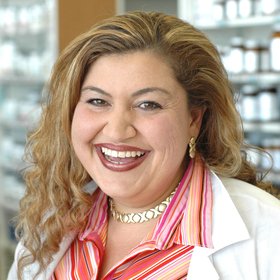 Sahar SwidanFacultySahar Swidan, PHARM.D., ABAAHP, FAARFM, FACA is President and CEO of NeuroPharm and Former CEO of Pharmacy Solutions in Ann Arbor, MI and Adjunct Associate Professor of Clinical Research and Leadership at George Washington University School of Medicine and Health Sciences, and Adjunct Clinical Associate Professor of Pharmacy at Wayne State University. She received her Doctor of Pharmacy degree and completed a 3-year research Fellowship in Bio-Pharmaceutics and Gastroenterology at the University of Michigan. Following her fellowship, she was Director of Pharmacy at Chelsea Community Hospital and the clinical pharmacist for the inpatient head and chronic pain service. Dr. Swidan is board certified and an advanced fellow in anti-aging and regenerative medicine. She is an internationally renowned speaker in the areas of pain management, headaches, and HRT. She has authored several book chapters, articles, and patient education material in head and general pain management and personalized medicine. Most recently, Dr. Swidan has contributed in authoring “Metabolic Therapies in Orthopedics, Second Edition”. This edition provides continued knowledge on how optimizing metabolic pathways can improve the success of regenerative therapies through emerging technologies, integrative approaches, clinical research, and compelling evidence from over 30 experts. Dr. Swidan provides key insight in the areas of drug-related muscular pain and sarcopenia and the effects of hormones on the musculoskeletal system. Dr. Swidan Co-Edited and Authored a book with many thought leaders from around the globe titled Advanced Therapeutics in Pain Medicine which aids clinicians in advancing their current toolbox in the treatment of various pain syndromes.
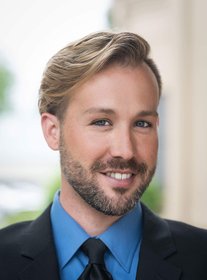 Richard MerrillFacultyRichard Merrill is a results-driven Spa Business Consultant who specializes in mentoring and guiding spa businesses across the U.S on branding, marketing, sales, strategic planning and management systems. With over 15 years of experience working in the spa and beauty industry, Richard understands firsthand the nuances of building and operating a successful spa business, and focuses intensely on guiding spa professionals to accelerate success and grow their vision. Richard is a licensed esthetician, make-up artist, published author, educator and certified holistic health coach. In 2019, he founded Richard Merrill Consulting, LLC which provides business consulting, marketing services, digital media and printing solutions as a practical one-stop resource helping spa professionals build more profitable businesses. Richard lives in Washington State with his Maltipoo Coconut. They can be found traveling the US in their RV visiting a city near you!
 Beta-CaroteneNatMedBeta-carotene belongs to a group of colored pigments called carotenoids. It's converted to vitamin A in the body and found in many fruits and vegetables. Beta-carotene and other red, orange, and yellow pigments called carotenoids are considered antioxidants. They provide about 50% of the vitamin A needed in the diet. Vitamin A is an essential nutrient. Its antioxidant and anti-inflammatory effects help to protect cells from damage. People use beta-carotene for an inherited disorder marked by sensitivity to light. It is also used to prevent certain cancers, heart disease, cataracts, aging skin, and many other purposes, but there is no good scientific evidence to support most of these uses. Many global health authorities recommend getting beta-carotene and other antioxidants from food instead of supplements.
- MagnesiumNatMedMagnesium is a mineral that is important for normal bone structure in the body. People get magnesium from food, but sometimes supplements are needed. Magnesium is needed for many bodily functions. Low levels in the body have been linked to diseases such as osteoporosis, high blood pressure, and stroke. An easy way to remember foods that are good magnesium sources is to think of fiber. Foods that are high in fiber are generally high in magnesium. People commonly use magnesium for constipation, as an antacid for heartburn, for low magnesium levels, for pregnancy complications called pre-eclampsia and eclampsia, and for a certain type of irregular heartbeat (torsades de pointes). It's also used for many other conditions, but there is no good scientific evidence to support many of these other uses.
- Black TeaNatMedBlack tea is made from the fermented leaves of the Camellia sinensis plant. These dried leaves and leaf buds are also used to make green and oolong teas. Black tea contains 2% to 4% caffeine, which affects thinking and alertness. It also contains antioxidants and other substances that might help protect the heart and blood vessels. It has different properties than green tea, which is made from the fresh leaves of the same plant. People use black tea for improving mental alertness. It is also used for headache, both low and high blood pressure, preventing Parkinson disease, depression, dementia, stroke, and many other conditions, but there is no good scientific evidence to support many of these uses. Don't confuse black tea with other caffeine sources, including coffee, oolong tea, and green tea. These are not the same.

All material on this website is protected by copyright. Copyright © LearnHealth Inc. 2026.
This website also contains material copyrighted by 3rd parties.
SUBSCRIBE
To Get Posts Directly In Your Inbox!