Learn
Delve into dermatology diseases with new approaches from conventional to complementary care.
Topics
Explore a broad spectrum of dermatological conditions and topics to enhance your practice.
Training Programs
Expert led instruction for every level of patient care.
Log in to see enrolled program content.
Conferences
Gain practical insights and meet new colleagues.
Hover over a conference to view recordings.
Join Us
The largest integrative dermatology community.

Results 541-560 of 3219
 Vivian ShiFacultyTake an online dermatology course with Dr. Vivian Shi, a board-certified dermatologist who specializes in eczema and hidradenitis suppurativa.
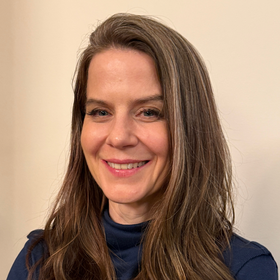 Apple BodemerFacultyAfter finishing Medical School and Dermatology Residency at the University of Wisconsin, Dr. Bodemer completed a fellowship in Integrative Medicine at the University of Arizona. She was the first Dermatologist to be board certified in both Dermatology and Integrative Medicine and currently is the only Dermatologist to serve on the Integrative Medicine Board. She has authored academic texts and curriculum and has spoken widely on a variety of topics related to Integrative Dermatology. She has always been drawn to exploring how lifestyle choices impact skin health and disease and feels that the most powerful role a physician can play is as an educator and guide, empowering people to get healthy and stay healthy.
 Andrew WeilFacultyAndrew Weil, M.D., is a world-renowned leader and pioneer in the field of integrative medicine. Combining a Harvard education and a lifetime of practicing natural and preventive medicine, he is the founder and director of the Andrew Weil Center for Integrative Medicine at the University of Arizona, where he is a clinical professor of medicine and professor of public health. A New York Times best-selling author, Dr. Weil is the author of 15 books on health and wellbeing, including Mind Over Meds: Know When Drugs Are Necessary, When Alternatives Are Better, and When to Let Your Body Heal on Its Own; Fast Food, Good Food; True Food: Seasonal, Sustainable, Simple, Pure; Spontaneous Happiness; Healthy Aging; and Eight Weeks to Optimum Health. He is the editorial director of DrWeil.com, the leading online resource for healthy living based on the philosophy of integrative medicine. He is also a founder and partner in the growing family of True Food Kitchen restaurants.
 Yvonne NongFacultyThroughout my childhood, my family and I relied on fast food for dinners since it was the most convenient option for my parents who worked late most evenings. Growing into my adolescent years, I continued to struggle with intermittent flare-ups of my atopic dermatitis. Like most teenagers, I noticed my unhealthy habits and how that was affecting my overall wellbeing. In an effort to optimize my health and that of my family’s, I delved into fitness, nutrition and wellness. My newfound passion led me to become a fitness trainer and obtain a graduate degree in nutrition at Columbia Institute of Human Nutrition so that I could help others attain their health goals.As I continue on my medical school journey to become a dermatologist, I am looking forward to carrying on these principles that have motivated me to pursue a career in medicine. I want to utilize my strong foundation in exercise, diet, and wellness to provide integrative and holistic care for patients struggling with dermatologic diseases. I am passionate about education and aim to utilize this position as a LearnSkin Intern to help others expand their skin health knowledge. Above all, I am excited to work with a likeminded team that is enthusiastic about all aspects of skin health!
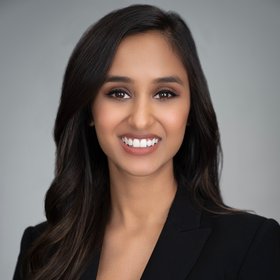 Shivani ThackerFacultyShivani Thacker is a research student between her 3rd and 4th year at Western University of Health Sciences. She received a Bachelor of Arts in Cognitive Psychology from the University of California, Irvine. She is currently conducting Dermatological research with the University of California, Davis under Dr. Raja Sivamani. She is interested in pursuing Dermatology, specifically eczema, psoriasis, and rosacea. Her research interests include integrative medicine, aging, and skin & gut microbiome.
 Hemali GuntFacultyDr.Hemali Gunt serves as the Head of Clinical and Scientific Affairs, at Burt’s Bees (A Clorox Company). Her focus is to demonstrate scientifically based skincare benefits through clinical testing, laboratory investigations and instrumental assessment. Additionally, she represents the science behind natural solutions through interaction with the professional and medical communities. Prior to joining Burt’s Bees, she worked as a clinical scientist at a contract testing lab where she gained extensive experience in clinical trials of personal care products, OTC, drugs and medical devices. Hemali Gunt holds a Ph.D. and Master’s in Pharmaceutical Sciences from University of Cincinnati (Cincinnati, OH). She is member of the American Academy of Dermatology and Society of Cosmetic Chemists and the lead author on numerous scientific posters and publications, specializing in the area of skin and lip care.
 Brindley BrooksFacultyArmpit envy; it’s something I’m sure most have not experienced, or even considered. For those with HS, this is a normal occurrence. Being constantly aware of your clothing, drainage and odor are things that no one else takes into account on a normal day, but they are constantly running through the head of someone with HS. Wearing tank tops in summer, let alone bathing suits, strike fear in our hearts. I have tried, like most of us, almost everything to help with my HS. Some “treatments” made the situation worse and just added insult to injury. I was finally advised to see a surgeon and begrudgingly agreed. This consultation led me to the best decision I’ve ever made for myself. It has had a tremendous impact on my HS, and as a result, my entire life.I've suffered from Hidradenitis Suppurativa (HS) for over years, beginning at the age of 10 as recurrent boil-like abscesses and I wasn’t diagnosed until 16 (like most with HS, it's typically a 7-10 year timeframe to diagnosis). I didn’t share my condition with anyone for fear of being seen as “gross” and unclean, which continued into adulthood. It wasn’t until I had wide excision surgery 5 years ago that I began telling people about my HS. I met Denise in an HS support group, and as a result, HS Connect (hsconnect.org) was born. Our patient-led non-profit organization focuses on eradicating misconceptions and stigmas, spreading factual and accurate information, and providing resources for everyone who suffers, including the medical community. I have 2 daughters with HS, a biological daughter 15, Stage 2 and stepdaughter, age 19, Stage 1. I hope to help eliminate the shame that HS patients face and move HS in the right direction with the help of HS Connect as a patient, parent, and advocate.
 Pushpa SoundararajanFacultyPushpa Soundararajan is a Registered Dietitian Nutritionist with over 30 years of experience. She is also an Ayurvedic practitioner, Certified Yoga teacher, speaker, and author. She is a passionate speaker and has presented at several local and international conferences, podcasts, webinars to dietitians, and FB live talks with dietitians in India on integrating Ayurveda with modern nutrition for holistic health. She believes in self-healing and educating the public on self-care which led to the creation of her Youtube channel, VPK Nutrition: Mind-body healing with Pushpa, RDN. She has co-authored two books “A Primer on A Ayurveda: A Practical Guide.” and “Ayurveda & Yoga: A Path to Health and Healing,” and a chapter on Ayurveda in an integrative nutrition textbook published on Amazon. She has an integrative virtual nutrition practice in Chicago, specializing in renal disease, digestive disorders, diabetes, weight management, ayurvedic nutrition, lifestyle, and wellness. www.vpknutrition.com
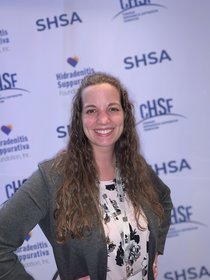 Jillian OndreykaFacultyJillian Ondreyka is a Dietitian with over 10 years of experience partnering with clients to achieve their nutrition goals. As a person with Hidradenitis Suppurativa, she became interested in how food can help calm inflammation in the body to encourage healing. She graduated from the University of Michigan with a Master of Public Health and Eastern Michigan University with a Bachelor of Science in Dietetics. She earned the Integrative and Functional Nutrition Certified Practitioner (IFNCP) credential and is a Certified LEAP Therapist (CLT). LEAP stands for Lifestyle Eating and Performance and is a patient-specific oligoantigenic diet based on the Leukocyte Activation Assay-Mediator Release Test (LAA-MRT®). Jillian began participating in dermatology research evaluating the effectiveness of the LEAP program in improving outcomes in HS in 2022. In 2025, she became a Certified Diabetes Care and Education Specialist (CDCES).
 Melanie SachsFacultyThe pioneer of integrating Tibetan and Indian Ayurvedic wellness techniques into the spa and beauty industry, Melanie Sachs has worked steadily over the last twenty-five years to bring the deep benefits of this sacred healing art to her students and clients worldwide. Through these efforts, Ayurveda is now listed as one of the ten spa trends. It is fully accepted and respected as a precious gem capable of transforming the spa experience into a journey toward beauty through balance. Through her writing and teachings, Melanie explains that it is by eating a healthy diet, participating in suitable exercise and regular spiritual practices together with a natural skincare regiment that we all can reach our goal and discover our own personal happiness and lasting radiance; a quality in Ayurveda beyond inner and outer beauty known as our secret beauty. Melanie works closely with her husband, Robert Sachs. Founding Diamond Way Ayurveda in 1996, together, they provide excellence in education and pure Ayurvedic products to complement their unique spa treatments. Melanie and Robert have created. Ayurvedic Beauty Care, Ayurvedic Spa (both books with Lotus Press), educational DVDs, and numerous articles for magazines. Melanie teaches worldwide, training individuals and spa teams in standard and signature Ayurvedic treatments using their organic essential oil blends, powdered herbs, and specialized Ayurvedic spa equipment they personally designed. She has designed both in-person and home study programs in all Diamond Way Ayurveda techniques, which have been instrumental in Ayurvedic therapies gaining acceptance and respect from AMTA ( American Massage Therapy Association) and NCBTMB (National Certification Board for Therapeutic Massage & Bodywork). The name “Diamond Way” comes directly from the Tibetan tradition and means that our path to the highest joy is through helping others. It is this core belief is the fuels the energy behind this determined individual.
  Alexandra YanFacultyAlexandra Yan has had a variety of experiences that have led her to develop an interest in education, technology, and creative work. She has a Bachelor's of Science in Neurobiology, Physiology, and Behavior from the University of California, Davis and currently researches and designs new features for LearnSkin.
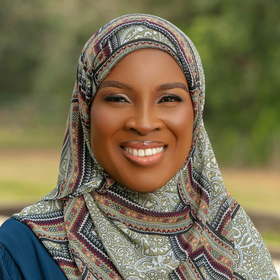 Sururat CoulibalyFacultySururat Coulibaly, PA-C is a certified Physician Assistant and Functional Wellness Coach with advanced training in both Applied Functional Medicine (AFMC) and Functional Dermatology through Root Cause Dermatology. A mother of three and passionate advocate for holistic healing, Sururat specializes in helping women achieve clear, healthy skin from the inside out.Her mission is rooted in personal experience. After years of battling dry, itchy, and inflamed skin, she found lasting relief through a root-cause approach that addressed deeper imbalances like gut health, hormones, and inflammation. Today, she brings that same integrative lens to her work—combining clinical expertise with lived experience to empower women to take back control of their skin and well-being.Sururat’s approach is compassionate, personalized, and built on the belief that radiant skin is a reflection of inner health. She guides clients through a transformative journey that reconnects them to their bodies and restores their confidence, naturally and sustainable.
 Mila GrassFacultyMeet Mila Grass, the dynamic beauty guru with a heart as adventurous as her spirit! With a whopping 18 years of experience in the beauty industry, Mila is no stranger to the world of skincare and wellness. Armed with dual licenses in esthetics and cosmetology, as well as being a certified Ayurvedic Practitioner and esthetics educator, Mila is the ultimate beauty powerhouse.Currently, she's at the helm as the director of the Integrative Esthetician Certificate Program at Learn Skin, where she's shaping the future of skincare professionals. But that's not all - Mila independently offers a holistic Ayurvedic approach to skincare, concocting custom blends of herbs for everything from oils to masks, all while dishing out sage advice on lifestyle and nutrition.But Mila's not just about beauty; she's a firm believer that health and beauty go hand in hand. With her trademark compassion and boundless enthusiasm, she's on a mission to empower her clients to look and feel their best from the inside out.When she's not busy revolutionizing the beauty industry, you'll find Mila satisfying her wanderlust, rocking out at concerts, or fearlessly diving into new experiences. And let's not forget her generous spirit - Mila's dedication to organizations like NAMA, CAAM, Yoga Gives Back, and Lupus.org, among others, showcases her commitment to making the world a more beautiful place, inside and out.So, if you're ready to unlock the secret to radiant beauty and holistic wellness, look no further than Mila Grass - because when you meet her, you're in for a treat!
 Julie HarperFacultyDr. Julie Harper is a board-certified dermatologist in private practice at the Dermatology and Skin Care Center of Birmingham in Birmingham, Alabama. Dr. Harper graduated from Southeast Missouri State University in 1991 with a BS in Interdisciplinary Studies.
 Crystal Ochemba-PowellFacultyCrystal Ochemba-Powell is an experienced Licensed Esthetician, Makeup Artist, Licensed Esthetician, Educator, Beauty Business Coach with a combined 10 years of experience in both Business Marketing and the Beauty Industry. In addition to her Esthetics License, she holds Bachelor’s and Master’s degrees in Advertising & Marketing. She helps fellow Estheticians build and sustain PROFITABLE beauty businesses by helping them Build & Retain Clientele and Master Social Media Marketing. During her career, she has used her knowledge and experience to successfully build her own beauty business as well as the beauty businesses fellow Estheticians. When she is not servicing her own clients, she enjoys training and coaching other beauty professionals on how to use proven marketing techniques to increase customer acquisition and conversions. She feels that her biggest asset is her ability to intersect her passion for both Marketing and Beauty with her signature training courses.
 Jenny AhnFacultyJenny’s background and experience are rooted in Traditional East Asian Medicine, Ayurvedic Healing and the Yogic Lineages.She has worked extensively as an Ayurvedic Postpartum doula supporting mothers in their recovery from childbirth since 2012. Jenny has been teaching Yoga in the Long Beach community since 2006, and leads workshops and retreats with the aim of empowering folks to take control of their health and well being. She co-founded Sacred Roots Holistic Healing in 2013, a community wellness and education center located in Long Beach, Ca.Jenny’s work is centered around preventative healing, using a trauma informed lens, and an understanding that wellness is interconnected to the health of the planet and society as a whole.
 Millicent RussoFacultyMillicent Russo, LE LEI CLT LSO WFR is on a mission to elevate the aesthetics industry. She founded the Integrated Aesthetics Institute and the Integrated Aesthetics Association. Both provide high quality aesthetic education and business building opportunities. She is know for her well researched, through and detail oriented presentations. Millicent provides a boutique style - world class educational experiences in an engaging atmosphere. Her alumni are some of the most successful in the industry. She is a consultant for physicians, nurses and aesthetics schools. She lectures around the country and trains educators of professional skin care brands. She was named a ‘Top 20 Entrepreneur of 2022’ by Phoenix Magazine. She will be hosting the 2023 Men’s Esthetics Conference and will be a Skin Games judge in 2023.
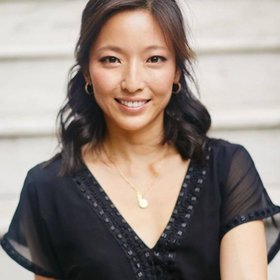 Fiona RahbarFacultyDr. Rahbar completed undergraduate studies in Neuroscience and Behavioral biology at the University of Pennsylvania and Emory University. Her heart remained in the South, and she chose to continue her medical education at Vanderbilt University Medical Center in Nashville, TN. This was followed by a residency specializing in dermatology at the University of Virginia where she served as Chief Resident her final year. Upon completion of training Dr. Rahbar gained experience in private practice in Virginia and telemedicine in NYC before establishing in South Carolina. In Charleston she built and grew a private practice clinic for five years, until she decided to join academic medicine at the Medical University of South Carolina. In addition to providing quality care for her patients, Dr. Rahbar has published in medical journals and spoken at dermatology conferences. Her passion lies in caring for underserved populations, having volunteered internationally in Haiti and Uganda as well as locally in Charleston at the free medical clinic. Dr. Rahbar is also proficient in Spanish, which allows her a unique capability to serve the Hispanic population. In addition Dr. Rahbar has a deep interest in caring for the whole patient, not just symptoms or disease. Having completed a 9 month intensive through the Integrative Dermatology Certificate Program, she then went on to serve as lecturer and facilitator for the same program. Dr. Rahbar is also a Fellow of the American Academy of Dermatology and a diplomate of the American Board of Dermatology. In her free time she loves to spend time outdoors with her friends and family, including her two daughters. She is a certified yoga instructor.
 Brian GinsbergFacultyDr. Brian Ginsberg is a general and cosmetic dermatologist at Chelsea Skin & Laser and Assistant Clinical Professor of Dermatology at Mount Sinai Hospital in New York, NY. He received his medical degree from NYU where he was elected in the Alpha Omega Alpha Honor Society and was awarded the Marion B. Sulzberger Award for excellence in Dermatology. During this time he did research at Memorial Sloan-Kettering in melanoma immunotherapy. He completed a pediatrics internship and dermatology residency also at NYU, the latter for which he was chief resident.Dr. Ginsberg's area of academic expertise is in the care of sexual and gender minority (LGBTQ) patients, in particular transgender individuals. He published the first major survey study on the dermatologic attitudes and practices of transgender persons. He regularly contributes to a number of medical journals, textbooks and commercial publications, and speaks both nationally and internationally on such topics.
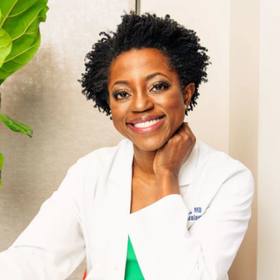 Naana BoakyeFacultyDr. Naana Boakye is a board-certified dermatologist, skincare formulator and author, based in New Jersey. She earned her M.D. from Temple University in 2004, followed by an M.P.H. in epidemiology from George Washington University. With over two decades of clinical experience, she founded her private practice (Bergen Dermatology) in Hackensack/Englewood Cliffs, NJ, where she offers both in-person and teledermatology services.Her approach emphasises an integrative, lifestyle-informed dermatology: not only treating skin conditions but looking at the whole person, including factors such as diet, stress, environment and skin barrier health. She has a particular focus on melanated skin and skincare for people of color, helping patients with conditions like acne, hyperpigmentation and hair concerns in skin of color.In addition to her clinical work, Dr. Boakye has developed skincare lines and collaborated with high-profile brands, authored a book (“Inside Out Beauty: Your Prescription for Healthy, Radiant and Acne-Controlled Skin”), and is active in education and advocacy around inclusive skincare.

All material on this website is protected by copyright. Copyright © LearnHealth Inc. 2026.
This website also contains material copyrighted by 3rd parties.
SUBSCRIBE
To Get Posts Directly In Your Inbox!