Learn
Delve into dermatology diseases with new approaches from conventional to complementary care.
Topics
Explore a broad spectrum of dermatological conditions and topics to enhance your practice.
Training Programs
Expert led instruction for every level of patient care.
Log in to see enrolled program content.
Conferences
Gain practical insights and meet new colleagues.
Hover over a conference to view recordings.
Join Us
The largest integrative dermatology community.

Results 621-640 of 3219
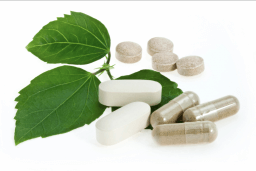 CranberryNatMedCranberry (Vaccinium macrocarpon) is an evergreen shrub that grows in bogs in North America. It produces dark red fruits that contain salicylic acid. Chemicals in cranberries keep bacteria from sticking to the cells in the urinary tract. But they don't seem to be able to remove bacteria that are already stuck to these cells. This might explain why cranberry helps prevent urinary tract infections (UTIs), but doesn't help treat them. People commonly use cranberry to prevent UTIs. Cranberry is also used for kidney stones, enlarged prostate, the common cold, and many other conditions, but there is no good scientific evidence to support these uses. Don't confuse cranberry with cramp bark, lingonberry, or uva ursi. These are sometimes also called cranberry but they are not the same.
- RiboflavinNatMedRiboflavin is vitamin B2. It is widely found in both plant- and animal-based foods, including milk, meat, eggs, nuts, enriched flour, and green vegetables. Riboflavin is involved in many body processes. It's required for the proper development of the skin, lining of the digestive tract, blood cells, and brain function. People commonly use riboflavin to prevent riboflavin deficiency. It is also used for acne, muscle cramps, and many other conditions, but there is no good scientific evidence to support most of these uses.
- Shark Liver OilNatMedShark liver oil comes from the livers of different types of sharks. It is used as a source of compounds called alkylglycerols, which are a type of fat. The alkylglycerols in shark liver oil might have anticancer effects and help boost the immune system. People use shark liver oil for cancer, chemotherapy side effects, common cold, the flu, wound healing, and many other conditions, but there is no good scientific evidence to support these uses. Don't confuse shark liver oil with other marine oils, including cod liver oil, fish oil, or krill oil. Also don't confuse it with other products that come from sharks, including liver extract, shark cartilage, and squalamine. These are not the same.
- Willow BarkNatMedWillow bark comes from several varieties of willow tree, including white (Salix alba or European), black (Salix nigra or pussy), crack, and purple willow. Willow bark contains a chemical called salicin, which is similar to aspirin. It has pain and fever reducing effects in the body. People commonly use willow bark for back pain, osteoarthritis, fever, flu, muscle pain, and many other conditions, but there is no good scientific evidence to support most of these uses. There is also no good evidence to support using willow bark for COVID-19.
- Vitamin ENatMedVitamin E is a vitamin that dissolves in fat. It is found in many foods including vegetable oils, cereals, meat, poultry, eggs, and fruits. Vitamin E is an important vitamin required for the proper function of many organs in the body. It is also an antioxidant. Vitamin E that occurs naturally in foods (RRR-alpha-tocopherol) is different from man-made vitamin E that is in supplements (all-rac-alpha-tocopherol). Vitamin E is used for treating vitamin E deficiency, which is rare, but can occur in people with certain genetic disorders and in very low-weight premature infants. Vitamin E is also used for depression, high blood pressure, and many other conditions, but there is no good scientific evidence to support many of these other uses.
- AshwagandhaNatMedAshwagandha is an evergreen shrub that grows in Asia and Africa. It is commonly used for stress. There is little evidence for its use as an "adaptogen." Ashwagandha contains chemicals that might help calm the brain, reduce swelling, lower blood pressure, and alter the immune system. People commonly use ashwagandha for anxiety, insomnia, and stress. It is also used for asthma, athletic performance, back pain, and many other conditions, but there is no good scientific evidence to support most of these uses. There is also no good evidence to support using ashwagandha for COVID-19. Don't confuse ashwagandha with Physalis alkekengi. Both are known as winter cherry. Also, don't confuse ashwagandha with American ginseng, Panax ginseng, or eleuthero.
- ApricotNatMedApricot (Prunus armeniaca) is a small tree that grows a fruit that is commonly eaten as food. The fruit, juice, and leaves have also been used as medicine. Apricot is used for asthma, constipation, infertility, and other conditions, but there is no good scientific evidence to support any use. Do not confused apricot with the kernel inside of the fruit (apricot kernel) or with Japanese apricot. These are not the same.
- German ChamomileNatMedGerman chamomile (Matricaria recutita) is an herb that is native to southern and eastern Europe. It is popular throughout the world as a medicine. German chamomile contains chemicals that seem to promote relaxation and reduce swelling. It was used by the ancient Greeks, Romans, and Egyptians, and is still commonly used today. People use German chamomile for common cold, indigestion, anxiety, excessive crying in infants (colic), and many other conditions, but there is no good scientific evidence to support these uses. Do not confuse German chamomile with Roman chamomile, which is a different plant.
- Gamma-Hydroxybutyrate (GHB)NatMedGamma hydroxybutyrate (GHB) is a chemical that is found in the brain and made in a lab. It has sedative effects. It's illegal for use in dietary supplements. GHB acts on several nerve pathways in the brain and has been used in drug-facilitated sexual assault and as a party drug. Due to safety concerns, it is a Schedule I controlled substance, making it illegal. A prescription form of GHB called sodium oxybate (Xyrem) is used for treating excessive daytime sleepiness (narcolepsy). People also use GHB for alcohol use disorder, opioid withdrawal, depression, and other conditions, but there is no good scientific evidence to support these uses.
- HemlockNatMedHemlock is a very poisonous plant. In fact, all parts of the plant are toxic. Hemlock is most poisonous during the early stages of growth in the spring, but it is dangerous at all stages of growth. The poisons in hemlock are so deadly that people have died after eating animals that had eaten hemlock parts. Hemlock is native to Europe and western Asia and was introduced into North America as an ornamental plant. It is frequently found in the US and southern Canada. Hemlock typically grows along streams or rivers, and near fences, roadsides, ditches, abandoned construction sites, pastures, crops, and fields. Some people have been poisoned by hemlock after confusing it for harmless plants. Accidental poisonings have occurred when people mistook the plant for parsnip, parsley, wild celery, or anise. Despite serious safety concerns, hemlock is used for bronchitis, whooping cough, asthma, arthritis, and other conditions, but there is no good scientific evidence to support these uses.
- Water HemlockNatMedWater hemlock is considered to be the most poisonous plant growing in North America. All parts of the water hemlock are toxic and can cause death in as little as 15 minutes. Water hemlock grows in marshy, swampy areas of meadows; and along banks of streams, pools, and rivers. Accidental poisonings usually occur when water hemlock is mistaken for edible plants such as artichokes, celery, sweet potatoes, sweet anise, or wild parsnip. Even though water hemlock is extremely poisonous, it is used as a medicine for migraine headaches, painful menstruation, and worms in the intestines. Some people apply water hemlock directly to the skin for redness and swelling (inflammation).
- CannabisNatMedCannabis (Cannabis sativa) is an herbal drug. It contains chemicals called cannabinoids, including delta-9-tetrahydrocannabinol (THC) and cannabidiol (CBD). The cannabinoids in cannabis work by binding to specific sites in the brain and on the nerves. There are over 100 cannabinoids in cannabis, but THC and CBD are the most well-studied. Cannabinoids are found in the highest levels in the leaves and flowers of the plant. Cannabis is commonly used as a recreational drug. People also commonly use cannabis for multiple sclerosis (MS) and nerve pain. It is also used for nausea, vomiting, migraine, and many other conditions, but there is no good scientific evidence to support these uses. There is also no good evidence to support using cannabis for COVID-19. Don't confuse cannabis with hemp. Hemp contains very low levels of THC, less than 0.3% according to legal standards. Both hemp and cannabis also contain cannabinoids such as CBD, cannabidivarin (CBDV), cannabigerol (CBG), and others. Unlike hemp, cannabis is illegal under federal law in the US. It is classified as a Schedule I controlled substance. But some states have legalized or decriminalized recreational use.
- GrapefruitNatMedGrapefruit (Citrus paradisi) is a citrus fruit. It has been used for weight loss. It has also been used for other conditions, but with limited evidence. Grapefruit is a source of vitamin C, fiber, potassium, pectin, and other nutrients. People use the fruit, oil from the peel, and extracts as medicine. Drug interactions with grapefruit juice are well documented. Before adding it to your diet, check with your healthcare provider if you take medications. People commonly take grapefruit by mouth for weight loss, asthma, high cholesterol, cancer, and many other conditions, but there is no good scientific evidence to support these uses.
- CapsicumNatMedCapsicum, also known as red pepper or chili pepper, is an herb. Its fruit is commonly applied to the skin for arthritis pain and other conditions. The fruit of the capsicum plant contains a chemical called capsaicin. Capsaicin is what seems to help reduce pain and swelling. A particular form of capsicum causes intense eye pain and other unpleasant effects when it comes in contact with the face. This form is used in self-defense pepper sprays. Capsicum is commonly used for nerve pain and other painful conditions. It is also used for many other purposes, including digestion problems, conditions of the heart and blood vessels, and many others, but there is no good scientific evidence for many of these uses.
- KiwiNatMedKiwi is a plant that produces fruit. The fruit is used as a food and as a medicine. Kiwi is used for asthma, constipation, high blood pressure, and other conditions, but there is no good scientific evidence to support these uses. In foods, kiwi is used as a meat tenderizer and an ingredient in some sports drinks. It is often eaten as a fruit.
- GoldensealNatMedGoldenseal (Hydrastis canadensis) is an herb in the buttercup family. The dried root is very commonly used in supplements in the US. Goldenseal contains berberine, which might have effects against bacteria and fungi. Berberine also has properties that can lower blood pressure and help irregular heartbeat. But many of the important chemicals in goldenseal aren't absorbed well when taken by mouth. So, it's not clear if goldenseal has the same effects as berberine. People use goldenseal for the common cold and other upper respiratory tract infections, hay fever, diarrhea, constipation, and many other conditions. But there is no good scientific evidence to support any of these uses.
- American ElderNatMedAmerican elder (Sambucus canadensis) is a plant. Its flower and ripe fruit are used as medicine, but its stem contains toxic chemicals. American elder flower and ripe fruit are rich sources of vitamin C. But its leaves, stems, and unripe fruit contain chemicals that can cause cyanide poisoning. People sometimes use American elder for asthma, common cold, sore throat, headache, and many other conditions, but there is no good scientific evidence to support these uses. Don't confuse American elder with dwarf elder, elderberry, or elderflower. These are not the same.
- Adrenal extractNatMedAdrenal extract is a chemical that is made from the adrenal glands of cows, pigs, and sheep. Adrenal glands make certain hormones. The adrenal glands sit on top of the kidneys. They regulate the body's response to stress by making hormones, including adrenaline and cortisol. But it's not known whether the human body can absorb adrenal extract or how it might work. People use adrenal extract for Addison disease, hay fever, asthma, eczema, depression, fatigue, stress, and many other conditions, but there is no good scientific evidence to support these uses. Adrenal extracts come from cows, pigs, and sheep from slaughterhouses and possibly sick animals. There is concern that some diseases may be transferred to humans, but there are no reports of this.
- MelatoninNatMedMelatonin is a hormone made in the body. It regulates night and day cycles or sleep-wake cycles. Melatonin in supplements is usually made in a lab. Darkness triggers the body to make more melatonin, which signals the body to sleep. Light decreases melatonin production and signals the body to be awake. Some people who have trouble sleeping have low levels of melatonin. It's thought that adding melatonin from supplements might help them sleep. People most commonly use melatonin for insomnia and improving sleep in different conditions, such as jet lag. It is also used for depression, chronic pain, dementia, and many other conditions, but there is no good scientific evidence to support most of these uses. There is also no good evidence to support using melatonin for COVID-19.
- Blessed ThistleNatMedBlessed thistle (Cnicus benedictus) is a flowering plant with sharp prickles on the stems and leaves. It's native to the Mediterranean region. Blessed thistle contains chemicals called tannins, which might help with diarrhea, cough, and swelling. People use blessed thistle for indigestion, infections, wounds, and many other conditions, but there is no good scientific evidence to support these uses. Don't confuse blessed thistle with milk thistle. These are not the same.

All material on this website is protected by copyright. Copyright © LearnHealth Inc. 2026.
This website also contains material copyrighted by 3rd parties.
SUBSCRIBE
To Get Posts Directly In Your Inbox!