Learn
Delve into dermatology diseases with new approaches from conventional to complementary care.
Topics
Explore a broad spectrum of dermatological conditions and topics to enhance your practice.
Training Programs
Expert led instruction for every level of patient care.
Log in to see enrolled program content.
Conferences
Gain practical insights and meet new colleagues.
Hover over a conference to view recordings.
Join Us
The largest integrative dermatology community.

Results 921-940 of 3219
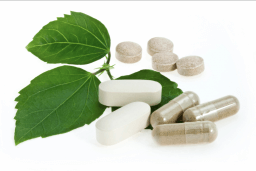 Yellow DockNatMedYellow dock (Rumex crispus) is a common weed found in Serbia, Korea, and China. The leaf stalks are used in salads. The root and fruits are used as medicine. Yellow dock contains chemicals that work as laxatives and have anti-inflammatory effects. It also contains chemicals that might kill parasites, bacteria, and fungi. People use yellow dock for pain, swelling of the nasal passages and the respiratory tract, constipation, hemorrhoids, and many other conditions, but there is no good scientific evidence to support these uses. Don't confuse yellow dock with sorrel or wood sorrel. These are not the same.
- BupleurumNatMedBupleurum is an herb or woody shrub native to Europe, Asia, and North America. There are about 200 different species. Its root is used as medicine. Bupleurum is included in many Chinese and Japanese traditional herbal formulas. It might help stimulate the immune system and protect the liver. People use bupleurum for asthma, depression, flu, hepatitis, liver cancer, and many other conditions, but there is no good scientific evidence to support these uses.
- Yellow ToadflaxNatMedYellow toadflax is an herb. The whole plant is used to make medicine. People take yellow toadflax for many conditions such as digestive and urinary tract disorders, but there is no good scientific evidence to support these uses.
- ButterburNatMedButterbur (Petasites hybridus) is a shrub. Its large leaves were used to wrap butter during warm weather, giving it the name "butterbur". Butterbur grows throughout Europe and parts of Asia. It's also now found in parts of the US. Butterbur contains chemicals that might relieve spasms and decrease swelling. Butterbur is used for migraine, hay fever, asthma, and many other conditions, but there is no strong scientific evidence to support most of these uses. Some butterbur products may contain pyrrolizidine alkaloids (PAs). These chemicals can harm the liver and cause serious side effects. Do not use butterbur products unless they are certified as free of PAs.
- Turkey Tail MushroomNatMedTurkey tail (Coriolus versicolor) is a mushroom. It contains polysaccharide peptide (PSP) and polysaccharide krestin (PSK), which are used as medicine. Turkey tail mushroom grows on stumps and the decomposing wood of trees. The PSP and PSK in turkey tail mushroom might help slow cancer growth and boost the immune system. People use turkey tail mushroom to improve response to cancer medicines and radiation. It is also used for muscle strength, fatigue, UTIs, and many other conditions, but there is no good scientific evidence to support these uses.
- Pau D'ArcoNatMedPau d'arco (Tabebuia impetiginosa) is a tree that is native to the Amazon. Its bark and wood have been used for many conditions, but with little evidence. The pau d'arco tree is used by native peoples in the regions where it grows for making hunting bows. The name "pau d'arco" is Portuguese for "bow tree." Pau d'arco bark and wood might prevent cancer cells from growing and slow tumor growth. But the doses needed to cause these effects seem to be unsafe. People use pau d'arco for cancer, diabetes, stomach ulcers, and many other conditions, but there is no good scientific evidence to support these uses. Using pau d'arco can also be unsafe, especially at higher doses. Pau d'arco is sometimes called quebracho. Don't confuse this with a different plant called Quebracho Blanco. These are not the same.
- OrrisNatMedOrris root comes from two different species of iris, Iris pallida and Iris germanica. It is sometimes used to make medicine. Orris root is generally used in combination with other herbs and can be found in homeopathic dilutions and tea preparations. Orris contains many chemicals, but it's not clear how it might work in the body. People use orris root for conditions such as bad breath, bronchitis, wound healing, and joint pain, but there is no good scientific evidence to support these uses.
- OreganoNatMedOregano (Origanum vulgare) is an herb used to flavor foods. It is considered safe in common food amounts, but has little evidence of health benefits. Oregano has olive-green leaves and purple flowers. It is closely related to other herbs, including mint, thyme, marjoram, and basil. Oregano contains chemicals that might help reduce cough. Oregano also might help with digestion and with fighting against some bacteria and viruses. People use oregano for wound healing, parasite infections, and many other conditions, but there is no good scientific evidence to support these uses.
- OnionNatMedOnion (Allium cepa) is a plant that is grown worldwide. The onion bulb is commonly eaten as food. Onion bulb and extract are also used to make medicine. Onion contains chemicals that seem to reduce swelling and lung tightness related to asthma. It also contains chemicals that seem to reduce cholesterol and lower blood sugar. People use onion to prevent scarring. It is also used for obesity, hair loss, asthma, insomnia, high blood pressure. warts, and many other conditions, but there is no good scientific evidence to support these uses.
- Ornithine Ketoglutarate (OKG)NatMedOrnithine ketoglutarate (OKG) is a salt made from the amino acid ornithine and alpha-ketoglutarate, which is a precursor to the amino acid glutamine. Ornithine ketoglutarate might change the way amino acids, the building blocks of protein, are used in the body. It also increases insulin, a hormone that regulates the amount of sugar in the blood. People use ornithine ketoglutarate for healing wounds and burns. It is also used for building muscle strength, HIV/AIDS, stroke, and many other purposes, but there is no good scientific evidence to support these uses. Don't confuse ornithine ketoglutarate with ornithine or another chemical called L-ornithine-L-aspartate (LOLA). These are not the same.
- English HorsemintNatMedEnglish horsemint is an herb. The parts of the plant that grow above the ground are used to make medicine. People take English horsemint for digestion problems, including nausea, diarrhea, and intestinal gas (flatulence). They also take it for headaches, bronchitis, liver health, and general pain.
- English Adder's TongueNatMedEnglish adder's tongue is a plant. The root and leaf are sometimes used to make medicine. English adder's tongue is used for wound healing and skin ulcers, but there is no good scientific evidence to support its use for any condition. Don't confuse English adder's tongue (Ophioglossum vulgatum) with American adder's tongue (Erythronium americanum).
- ImmortelleNatMedImmortelle is a plant. The dried flower is used to make medicine. People take immortelle for liver disease and gallbladder disease. It is also used to treat indigestion (dyspepsia), disorders affecting bile flow in the liver, and other conditions. Be careful not to confuse immortelle with sandy everlasting (Helichrysum angustifolium) or with immortal (Asclepias asperula).
- Black WalnutNatMedBlack walnut (Juglans nigra) is a tree native to the US that's harvested for its wood and edible nuts. The tree bark has been used in traditional medicine. Black walnut contains high concentrations of chemicals called tannins, which can reduce pain and swelling and dry up body fluids such as mucous. People use black walnut to lower the risk of heart disease, for skin wounds, and for other conditions, but there is no good scientific evidence to support these uses. Tree nuts, including black walnut, are considered major food allergens in the US. Don't confuse black walnut with English walnut. There are not the same.
- Madagascar PeriwinkleNatMedMadagascar periwinkle is a plant. The parts that grow above the ground and the root are used to make medicine. Madagascar periwinkle is used for diabetes, cancer, sore throat, cough, insect bite, and many other conditions, but there is no good scientific evidence to support these uses. Using Madagascar periwinkle can also be unsafe. Purified forms of some chemicals found in Madagascar periwinkle are approved by the U.S. Food and Drug Administration (FDA) to be given by injection for the treatment of cancer. These drugs have serious side effects and should be administered only under medical supervision. Madagascar periwinkle is considered unsafe for self-medication.
- Euphorbia hirtaNatMedEuphorbia hirta is an herb. The parts of the plant that grow above the ground are used to make medicine. Euphorbia hirta is used for breathing disorders, dengue fever, digestive problems, severe diarrhea (dysentery), and many other conditions, but there is no good scientific evidence to support these uses.
- CuminNatMedCumin (Cuminum cyminum) is a plant native to the Mediterranean and southern Asia. The seeds are used in traditional medicine and also as a spice in food. Cumin might have cholesterol-lowering and antibacterial effects, but it's not clear if these effects have an impact in the body. People use cumin for abnormal levels of cholesterol or blood fats, obesity, diarrhea, and many other conditions, but there is no good scientific evidence to support these uses. Don't confuse cumin with black seed, which is sometimes called black cumin. These are not the same.
- CudweedNatMedCudweed is an herb. The parts that grow above the ground are used to make medicine. People use cudweed for conditions such as high blood pressure, stomach ulcers, diarrhea, gut infections, and many others, but there is no good scientific evidence to support these uses. Don't confuse cudweed (Gnaphalium uliginosum) with cat's foot (Antennaria dioica), which is also known as cudweed. Also, don't confuse cudweed (Gnaphalium uliginosum) with Pilosella officinarum; both are sometimes called mouse ear.
- PulsatillaNatMedPulsatilla is a plant. The parts of the plant that grow above the ground are dried and used as medicine. Pulsatilla is used for painful conditions of the male or female reproductive system, skin conditions, and many other conditions, but there is no good scientific evidence to support its use.
- Lemon VerbenaNatMedLemon verbena (Aloysia citrodora) is a flowering shrub native to South America. Its leaves and flowering tops are used in foods, drinks, and medicine. Lemon verbena contains chemicals that might reduce swelling. Essential oils made from lemon verbena contain chemicals that might kill mites and bacteria. People use lemon verbena for muscle damage caused by exercise, insomnia, joint pain, multiple sclerosis (MS), and many other conditions, but there is no good scientific evidence to support these uses

All material on this website is protected by copyright. Copyright © LearnHealth Inc. 2026.
This website also contains material copyrighted by 3rd parties.
SUBSCRIBE
To Get Posts Directly In Your Inbox!